
Iceland
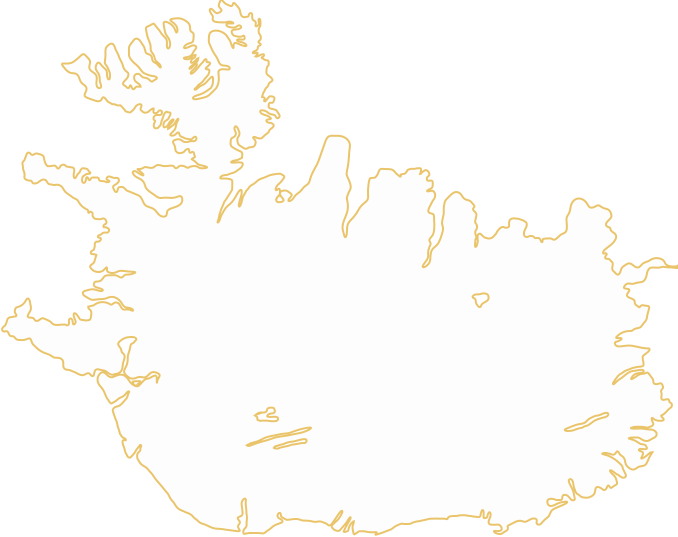
The story
Iceland's party system stayed remarkably stable through most of the 20th century — a small handful of parties, little turnover — until the 2008–11 financial crisis broke that pattern open, spawning a wave of new liberal and populist parties.
1938–1990s · A strong postwar communist tradition
The Popular Unity Party–Socialist Party, an alliance formed in 1938 between the Communist Party and Social Democratic dissidents, took 16–20 percent in the first postwar elections and sat in coalition until 1949, although it did not join the Comintern. In 1956 it formed the People's Alliance (AB) with a further Social Democratic splinter, which peaked at 22.9% in 1978 and joined five coalition governments between the 1950s and 1990s.
2009–2024 · New parties after the crisis
The Civic Movement, a short-lived populist reaction to the crisis, won seats in 2009. The People's Party (FiF), founded by Inga Sæland and represented since 2017, blends left-wing economics with cultural conservatism and reached almost nine percent in 2021. The long-established Progressive Party has itself been called populist by some analysts in recent years, though that label remains disputed.
In 2024 FiF won 13.8% and ten seats, its best result, and joined a coalition with the Social Democratic Alliance and the Reform Party, with Inga Sæland as Minister of Social Affairs and Housing.
2017 - · THE CENTRE PARTY
The Centre Party (Miðflokkurinn) was founded in 2017 as a splinter from the Progressive Party, led by former prime minister Sigmundur Davíð Gunnlaugsson. It mixes conservative, agrarian and populist themes with strong euroscepticism and economic nationalism, opposed the 2019 abortion liberalisation, and now stresses immigration and sovereignty, calling for rewritten immigration law and assimilation. It won almost 11 percent in 2017, lost half its support in 2021, then rebounded to 12.1 percent and eight seats in 2024.
FiF
People's Party
- Economics Left
- Social issues Conservative
- EU Hard euroscepticism
- Authoritarianism Low
M
Centre Party
- Economics Right
- Social issues Conservative
- EU Hard euroscepticism
- Authoritarianism Low